17,000
Chinese labourers
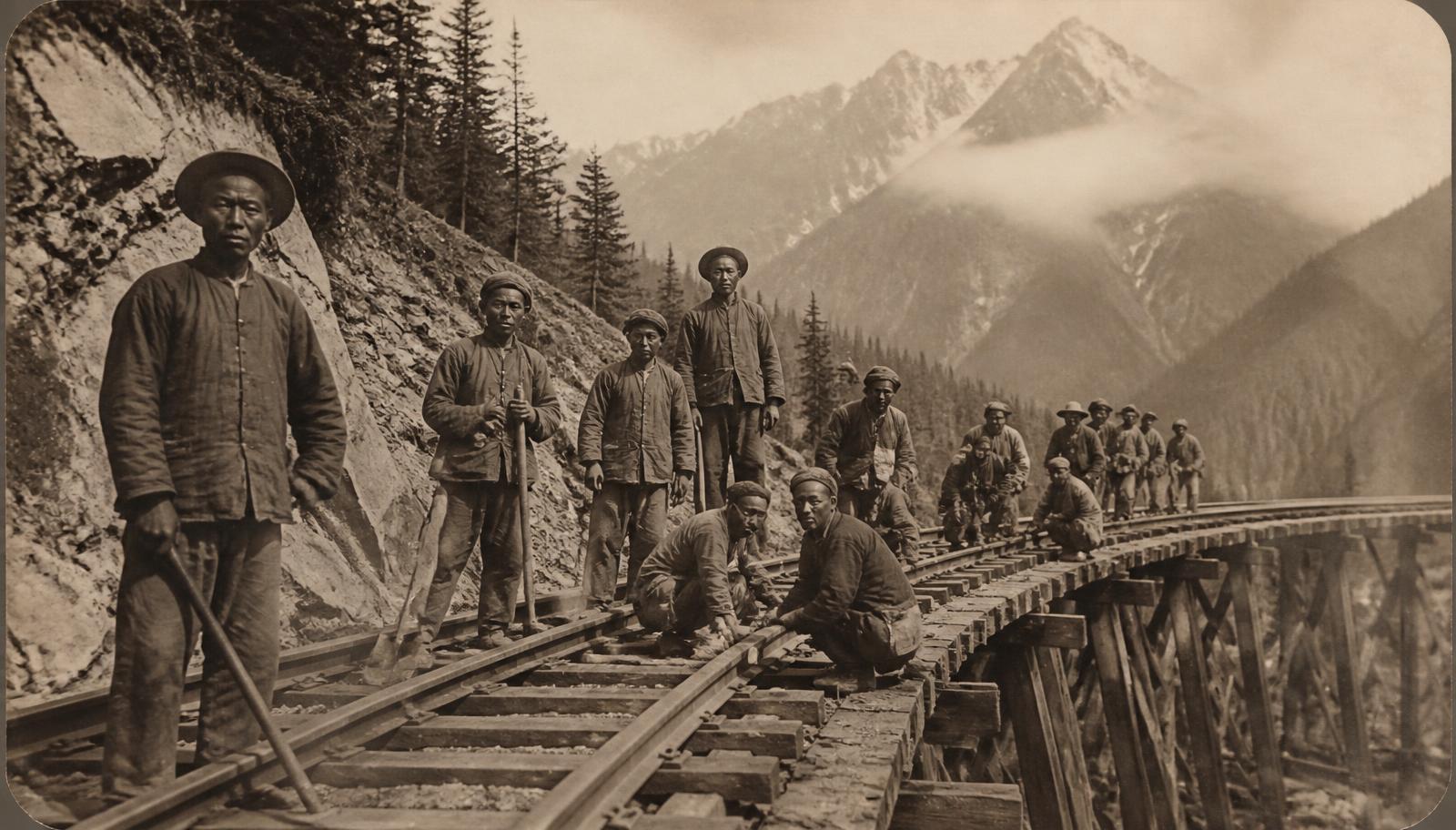
Came to build the treacherous western section of the Canadian Pacific Railway through British Columbia between 1880 and 1885.


A national petition
For more than two hundred years Chinese people in Canada were not treated fairly or equally — yet we laid the track, worked the mines and built the communities that hold this country together. Sign the petition for a national Chinese-Canadian Heritage Month.
Takes two minutes · Open to Canadian citizens and residents
Chinese workers were instrumental in uniting this country by rail. The record is plain.
17,000
Chinese labourers
Came to build the treacherous western section of the Canadian Pacific Railway through British Columbia between 1880 and 1885.
$1.00
a day
Half or a third of what white workers earned — and they still had to pay for their own food and tents.
3 of 4
workers in the mountains
Chinese crews took the highest-risk tasks: handling explosives, clearing rock, cutting through the mountain passes.
Hundreds
to thousands died
Lost to harsh weather, rockslides, dynamite blasts and sickness. Many who survived were left stranded with no money to return home.
Head taxes, a total ban, and twenty-four years of separated families — followed by communities that endured and rebuilt anyway.
1885
With the last spike driven, Canada imposed a $50 Head Tax on Chinese arrivals, later raised to $100 and then $500 — roughly two years of wages.
1923
On July 1, 1923 — Dominion Day — Canada banned virtually all Chinese immigration. The community marked the date as Humiliation Day.
1923–1947
Fewer than 50 Chinese immigrants were admitted in that entire span. Families were split across an ocean for a generation.
1947
The Act was finally repealed on May 14, 1947, as post-war human rights standards shifted.
2006
Canada formally apologized for the Head Tax and exclusion — but there is still no national month recognizing our contributions.
After the CPR was built, Chinese Canadians were pushed to the margins of society. The laws were designed not only to keep people out, but to keep families apart and prevent a thriving community from taking root.
The Exclusion Act made it nearly impossible for Chinese women to enter Canada. By 1941, roughly 29,000 Chinese men lived here, more than 80% of them married — yet their wives and children were left behind in China. The community became known as a “married bachelor society,” with men living alone for decades.
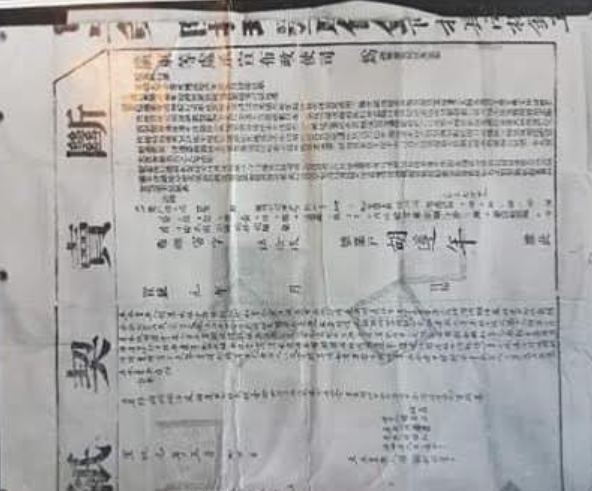
Every person of Chinese descent in Canada — Canadian-born or naturalized — had to register for a government identity card within 12 months. Refusing meant fines up to $500 or imprisonment. This surveillance singled out one group on the basis of race alone.
Chinese Canadians were barred from voting, holding public office, and owning property in many areas. They were pushed into low-status work — laundries, restaurants, domestic service — and earned far less than white workers for the same labour.
With legal immigration blocked, some Chinese immigrants entered Canada using fraudulent papers that claimed false identities. These “paper sons” lived for years in fear of deportation, often hiding their real names even from their own children.
During the Great Depression, unemployment among Chinese Canadians in Vancouver soared as high as 80% — compared to roughly 30% for the city overall. Those who received government relief were often given less than others.
During the Second World War, hundreds of Chinese Canadians volunteered to serve. Their service helped prove their loyalty and pressured the government to repeal the Exclusion Act in 1947 and, eventually, to grant full citizenship rights.
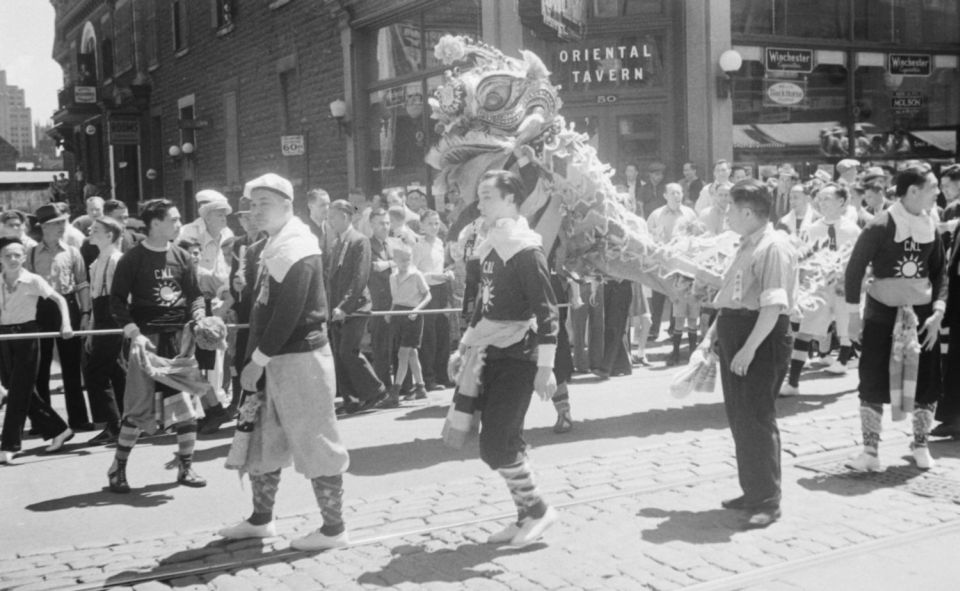
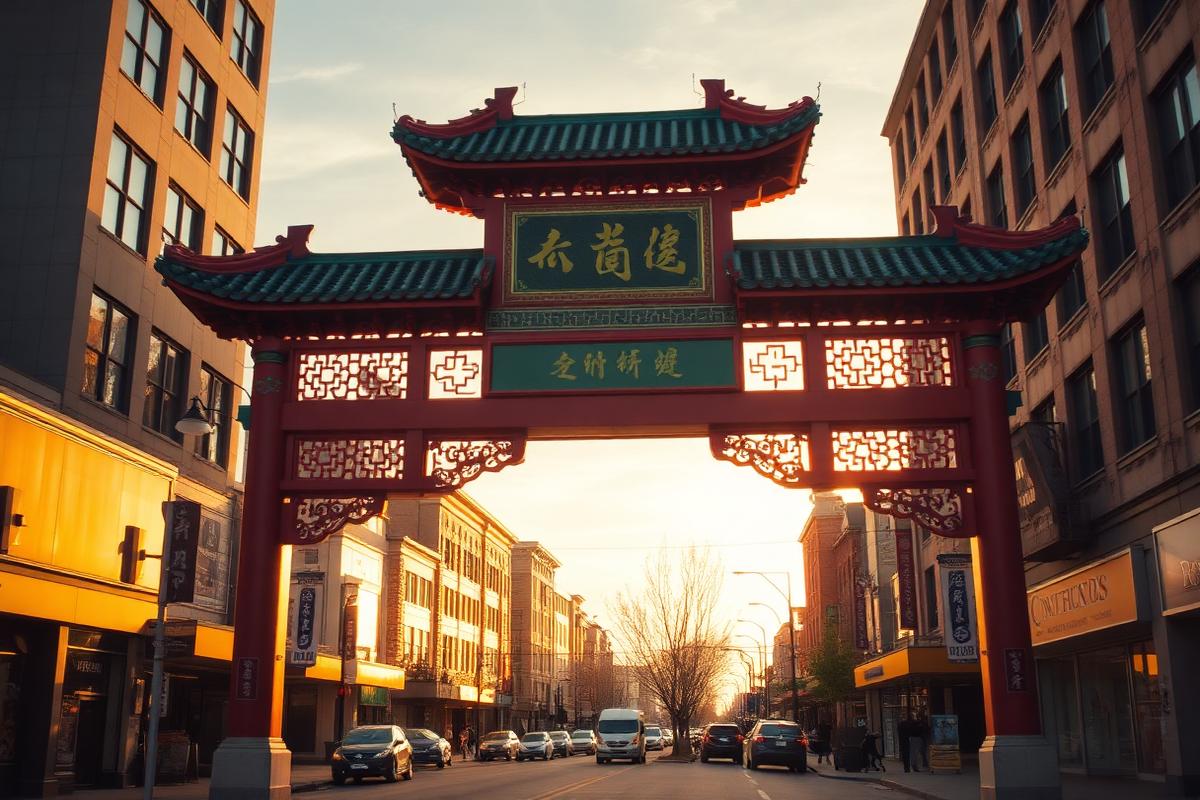
Historical photographs and documents from across Canada — from the railway mountains of British Columbia to Montreal's Chinatown — that show the work, the discrimination, and the communities Chinese Canadians built.


July 31, 2026 · Chinatown, Montreal
Organized by Montreal Chinese community leader Jimmy Chan — President of the Chan Association, and founder and president of One World One Humanity Humanitarian Missions.
It took two full weeks of planning and conversations with hundreds of people to bring our community together for this first press conference. More than a hundred people were invited and most of them came, giving the campaign the support it needed to spread the word.
That morning we made an important piece of history in our Chinatown: unity. Attendees committed to carrying the message to their communities, families and friends, and to encourage everyone to sign before the deadline.
Our unity is making a difference for a stronger petition campaign.

Media coverage
Coverage of the Chinese-Canadian Heritage Month petition campaign press conference by CityNews.

Despite extreme racism, the workers who stayed became the foundation of Chinese-Canadian communities across the country. Our community keeps doing its part to make Canada shine. Our contributions deserve recognition — and our ancestors deserve honour — through a Chinese-Canadian Heritage Month celebrated nationwide.
Our heritage is part of Canada's history. It matters for the generations to come.
Petition e-7523 · House of Commons
One signature takes two minutes. Then send this page to your family, your friends and your community — every name makes the campaign stronger.
Sign the petition